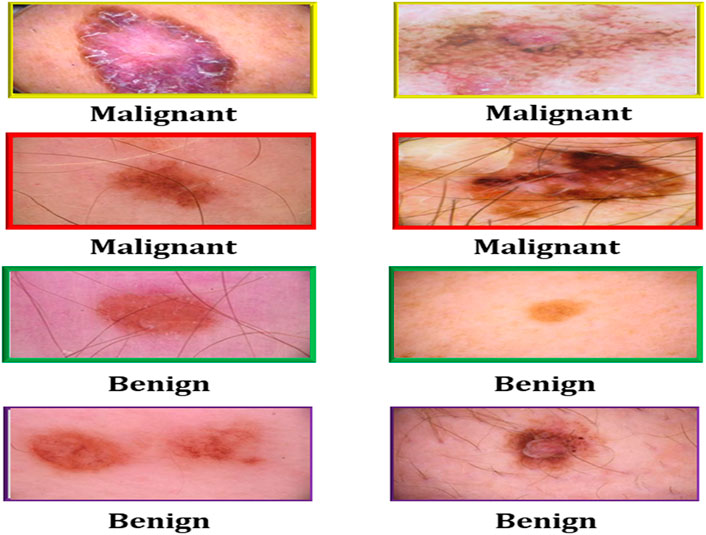
Seborrheic Keratosis Treatment In Boardman, Oh Seborrheic keratosis is a typical, non-cancerous skin development that normally provides as brownish, black, or yellow sores, frequently incorrect for growths due to their look. These growths can vary in size, color, and texture, and while generally safe, they can be cosmetically bothersome. Seborrheic keratosis often shows up on sun-exposed areas like the face, chest, and back, making it a typical problem for those mindful of their skin's appearance.
How to avoid seborrheic keratosis from developing?
There is no known method to prevent seborrheic keratoses, as they have a tendency to raise with age and may be genetic. Routine skin checks can aid keep an eye on any type of new developments.
Medical Diagnosis
If your doctor says your skin development is a seborrheic keratosis, you normally do not need to bother with it.
It's best to contact the office of Mark Mehrany, MD, if you've created a number of these growths over a brief period.
These sores typically happen either around the mouth and nose, or on the genitals and buttocks.
While this skin disease does not present a threat to the individual's health and wellness, it can be inconvenient and can make people awkward.
An accurate medical diagnosis is essential to distinguish these benign developments from more major problems, like skin cancer cells.
While the elimination approaches for seborrheic keratosis are normally risk-free, some prospective adverse effects might consist of temporary soreness, swelling, scarring, or adjustments in skin pigmentation.
While SKs can appear like these sores, there are differences that help skin doctors distinguish seborrheic keratoses from other lesions. A seborrheic keratosis is a noncancerous skin development. They can range in shade from light tan to dark brownish or black.
Actinic Keratosis
SKs can create anywhere on the skin, except the hands of the hands and the soles of the feet. The majority of SKs appear on the breast, back, scalp, face and neck. You can look by area, problem, and procedure to find the dermatologist that's right for you. Individuals can inform that they have seborrheic keratoses when they see bumps that are either round or oval fit. These growths can either be level or domed, and sometimes, they can be as much as an inch in size. Having several seborrheic keratoses is common, specifically as you age. It is taken into consideration a benign growth of skin cells (specifically keratinocytes). Medical Skin Imperfections study regularly shows that these sores do not commonly proceed into cancer malignancy or various other skin cancers cells. The specific root cause of seborrheic keratosis continues to be unknown. Nonetheless, variables such as genetics, age, sunlight exposure, and hormonal changes are believed to contribute to its development. While anybody can develop seborrheic keratosis, it often tends to be a lot more common in older individuals. This excessive production can cause the development of seborrheic Additional reading keratoses lesions. In regards to signs, clients with seborrheic keratoses might experience hyperpigmentation and growth in the affected locations This indicates that the coloration of the skin may be darker than surrounding areas. as a result of raised melanin manufacturing. However, this is not constantly the situation as some sores might show up lighter than typical complexion. Seborrheic keratoses can be dark or brown, gray, black, tan, or skin-colored. Since SKs are benign, treatment is generally not needed.